


[ad_1]

It’s a strange thing, this luck, always flocking to those who need it the least.
Magnus Carlsen, for example. For the world’s greatest chess player, he sure gets lucky a lot. His opponents often make blunders uncharacteristic of their strength. They take more risks than anyone should against him, and when he errs, they don’t punish him or capitalize on his oversights. He’s just one lucky dude.
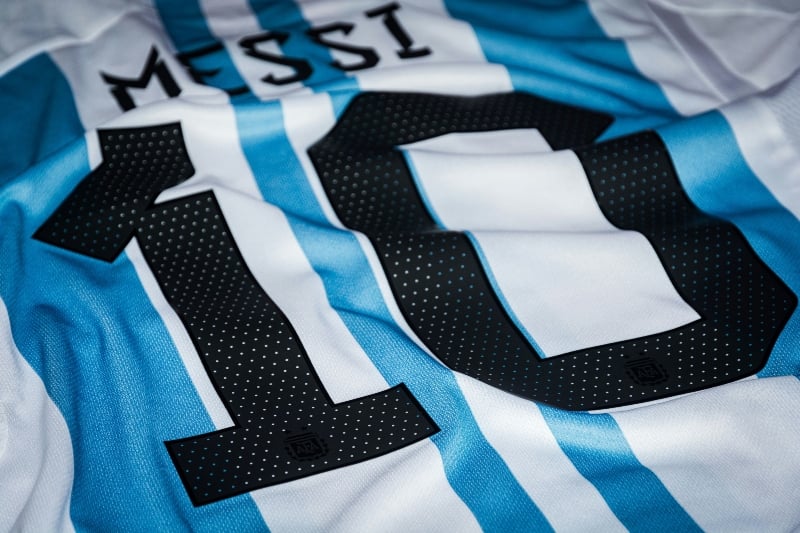
Lionel Messi? Or should we say, Luckynel Messi, the poster boy for luck. Referees trip over themselves to give him free kicks and penalties for him to feast on. He also just happens to play alongside some of the world’s greatest players. Take Argentina, for instance. Would Messi ever have won the World Cup if he hadn’t played in such a star-studded team?
Luck, it seems, only favors those who don’t need it. It keeps shining on the same faces: Carlsen, Messi, Ronaldo, LeBron, Lamine Yamal, Tiger Woods, Elon Musk, and others.
Meanwhile, those of us who truly need it can’t seem to attract it to save our lives and livelihoods. It behaves like a dutiful hound, bound eternally to the same master.
So why does luck favor the strong?
Well, the simple answer is that those at the top of their fields are masters at creating the conditions for luck to show up. Carlsen famously plays long, grinding chess in dead positions that bring his opponents to cognitive exhaustion and that’s when the “lucky” blunder happens.
Messi’s low center of gravity, burst acceleration, and incredible control that is faster than most defenders’ reaction time forces them to commit to tackles a fraction of a second too early. Thus, the official’s decision becomes an inevitability rather than a lucky call.
And this pattern isn’t confined to sports. Elon Musk didn’t “luck” into his wealth or success. His so-called lucky breaks are the result of his willingness to absorb massive, calculated downside risk. Coupled with conviction, courage, discipline, and consistency, his success was almost inevitable.
Tiger Woods once said he practices improbable shots precisely because he knows they will decide a tournament.
The greats, then, are not luckier than we are. On the contrary, they’re simply more adept at attracting, taming, and using luck to their advantage. They consistently put themselves in situations where they could get lucky, and when luck shows up, they convert it into wins and domination. That’s why their performances look easy and effortless, even when they’re anything but.
Discipline. Commitment. Practice. Conviction. Courage.
These are the traits that make luck a habit rather than a miracle.
We must train and work with intention, make strategic decisions, and stay alert enough to recognize and seize our chances when they come. And regardless of our past, we must stay in the game.
Then, and only then, can success begin to feel like our birthright.
Because to get lucky, you don’t need luck, only preparedness meeting opportunity.
—
This post was previously published on medium.com.
Love relationships? We promise to have a good one with your inbox.
Subcribe to get 3x weekly dating and relationship advice.
Did you know? We have 8 publications on Medium. Join us there!
***
–
Photo credit: 磊 周 on Unsplash
The post Invite Luck Into Your Life appeared first on The Good Men Project.
[ad_2]
Source link
