


[ad_1]

The love market is unstable. Demand is high, supply is delusional, and emotional currencies are rapidly losing value.
People keep offering intimacy like it’s a limited-time offer—all charm, no infrastructure. Meanwhile, ghosting rates are up, empathy stock is tanking, and the price of basic communication has inflated beyond reason.
My last breakup wasn’t tragic. It was a market correction. We’d both been overspending, me with hope and him with half-interest, until the emotional debt became unpayable. It wasn’t personal. It was just bad accounting.
The attention economy of love
Modern love is an economy built on attention. You earn it, spend it, and panic when it runs out. Flirting is the down payment. Consistency is the loan. Commitment is the mortgage nobody wants to sign.
We talk about love like it’s art, but we track it like data. Text frequency becomes proof of care. Response time, a measure of loyalty. If you wait too long to reply, the emotional currency devalues.
Some people hoard affection. Others print reassurance until the market collapses. And we all keep trading validation, pretending it’s growth.
I’ve learned to diversify my portfolio. A few casual connections for liquidity. A main emotional investment for perceived stability. High risk, low return.
Market volatility and insider trading
Every relationship has a volatility rating. Some spike early with explosive attraction and fast collapse. Others stay flat: low drama, low yield.
Ghosting is insider trading. One person exits early with information the other doesn’t have yet. You keep refreshing the chat like it’s a plummeting stock, hoping for a recovery that isn’t coming.
We call it closure, but what we really want is a refund.
The emotional balance sheet
Column A: What you gave.
Column B: What they noticed.
Column C: What you lost trying to make the math work.
The numbers never balance. There’s no fair exchange rate for emotional labor. And yet, we keep auditing our worth through someone else’s receipts, counting every text, every silence, every almost.
I used to think love was about generosity. Now I know generosity without boundaries is just a bad investment strategy.
Why we turned feelings into transactions
We turned feelings into transactions because vulnerability feels too much like debt. If you owe nothing, you can’t be abandoned.
That’s why people say they’re “not ready for something serious.” It’s just fiscal caution disguised as self-awareness.
Love became measurable so it could feel manageable. We built rules around it because chaos is expensive. But the math never works. You can’t compound interest on connection. You can only give without counting and hope it doesn’t bankrupt you.
2026 market outlook: low risk, low return. Emotional liquidity remains poor.
People will continue investing in potential, shorting communication, and hedging commitment with irony. But maybe love was never meant to be efficient. Maybe it’s the one economy that only thrives on irrational spending.
The best investments rarely make sense.
If this resonated:
Read They Loved My Potential, Not Me or Why We Miss People Who Hurt Us
Free: Red-Flag Survival Kit → aleksfilmore.com/rfk
Follow for weekly essays where heartbreak meets humor and philosophy.
About the author:
Aleks Filmore writes where heartbreak meets philosophy. His debut memoir, The Worst Boyfriends Ever, hit #1 on Amazon. His forthcoming books continue his Heartbreak Canon, a trilogy of emotional evolution that turns chaos into clarity.
Follow him on Medium, Substack, TikTok, or visit aleksfilmore.com
—
This post was previously published on medium.com.
Love relationships? We promise to have a good one with your inbox.
Subcribe to get 3x weekly dating and relationship advice.
Did you know? We have 8 publications on Medium. Join us there!
***
–
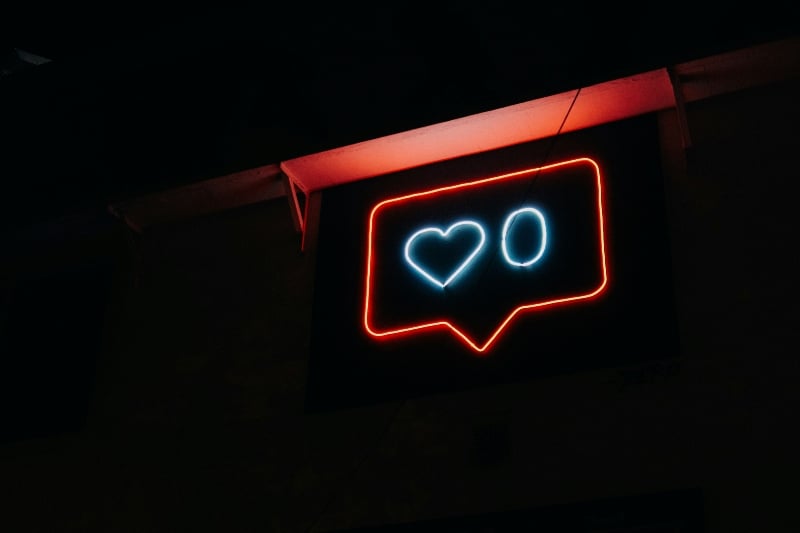
Photo credit: Prateek Katyal on Unsplash
The post Love, but Make It Transactional appeared first on The Good Men Project.
[ad_2]
Source link
