


[ad_1]

I used to think love was supposed to feel like a medical emergency.
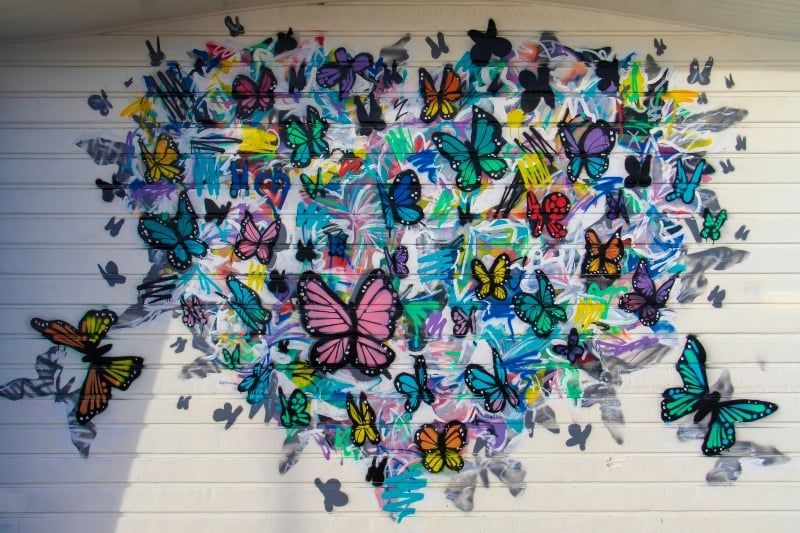
You know the feeling. It’s that electricity that shoots down your spine when their name pops up on your phone. It’s the inability to eat, the restless nights replaying every conversation, the constant, low-level nausea that we culturally identify as “butterflies.”
For most of my twenties, I chased that feeling like it was a drug. If I went on a date and didn’t feel an immediate, overwhelming surge of adrenaline, I wrote the person off.
There is a famous couplet by Mirza Ghalib that perfectly captures the confusion I lived in during those years:
“Dil-e-nadaan tujhe hua kya hai, Aakhir iss dard ki dawa kya hai?”
(Oh naive heart, what has happened to you? After all, what is the cure for this pain?)
My naive heart thought the “pain” of anxiety was actually the cure for my loneliness. I treated the Spark as the ultimate arbiter of truth. If the Spark existed, the relationship was destined. If the Spark faded, the love was dead.
It took me a decade of heartbreak to realize that I had been getting it all wrong. I wasn’t looking for a partner; I was looking for a dopamine hit.
The Addiction to the “New”
In the age of modern dating, we are conditioned to prioritize immediate gratification. Apps like Tinder and Hinge have gamified human connection. We swipe, we match, we get a hit of serotonin, and then we move on.
I remember dating a man named Alex*. Alex was chaos incarnate. He was inconsistent and emotionally unavailable. But my god, the chemistry was electric. Because I never knew when I was going to see him next, every time he did show up, it felt like a victory.
My brain interpreted that anxiety as passion. The highs were incredibly high because the lows were so dangerously low. I mistook the relief of him finally texting me back for love.
When that relationship inevitably imploded, I was devastated. But looking back, I realize I didn’t love Alex. I loved the performance of loving Alex. I loved the drama.
The Panic of the Plateau
Then I met Sarah*.
Sarah was different. She called when she said she would. She didn’t play games. She was kind, stable, and genuinely interested in my day.
And initially? I panicked.
Where was the nausea? Where was the anxiety? Because I wasn’t constantly terrified of losing her, I felt… calm. And to a brain addicted to chaos, calm feels suspiciously like boredom.
About three months in, the “Honeymoon Phase” ended. We fell into a routine. We ordered takeout. We watched Netflix in sweatpants. I remember lying awake one night thinking, Is this it? Did I settle?
This is the point where most modern relationships fail. We hit the Plateau that comfortable, quiet stage where the newness wears off and we assume something is broken. We think, “The spark is gone,” and we go back to the apps to find a new match to light the match again.
Redefining Intimacy
I didn’t leave Sarah. Instead, I stayed. And in staying, I learned what actual intimacy looks like.
Real intimacy isn’t about the grand gestures. It is ugly. It’s holding someone’s hair back when they have the flu. It’s sitting on the bathroom floor crying about a job loss, and having someone just sit there with you, without trying to fix it.
It’s the safety of being completely, unapologetically yourself.
With Alex, I was always performing. I had to be the “Cool Girl.” I was terrified that if I showed him my insecurities, the Spark would die. With Sarah, I can be boring. I can be grumpy. I can be silent. And she’s still there.
The Slow Burn
We need to stop demonizing boredom in relationships. In a long-term partnership, “boring” is actually a synonym for “safe.”
A spark is bright, hot, and flashy. But it is easily extinguished by a gust of wind. It provides a burst of light, but it cannot keep you warm through the winter.
A fire, on the other hand, requires work. You have to build the structure. You have to feed it logs. It doesn’t roar constantly; sometimes it settles down to glowing coals. But those coals radiate a heat that lasts through the night.
Building the fire is the work of love. It’s the choice to be kind when you’re tired. It’s the choice to turn toward your partner, rather than away, when things get hard.
As the great poet Allama Iqbal wrote, reminding us that love is not a destination, but a continuous journey of discovery:
“Sitaron se aage jahan aur bhi hain, Abhi ishq ke imtihan aur bhi hain.”
(Beyond the stars, there are still other worlds; There are still more tests of love yet to face.)
I realized that the “spark” fading wasn’t the end. It was just the first test. The worlds beyond the stars the worlds of deep trust, partnership, and aging together were waiting for us, but only if I was willing to let go of the initial high.
Why It’s Worth It
I have been with Sarah for five years now.
Do I still get butterflies? Rarely. But I get something better.
I get the feeling of walking through the front door after a brutal day and exhaling because I know I am in my sanctuary. I get the security of knowing that no matter what version of myself I wake up as tomorrow, I will be loved.
If you are currently sitting in the wreckage of a relationship that had a lot of sparks but no heat, or if you are contemplating leaving a “boring” partner who treats you well, I urge you to pause.
Ask yourself what you are really chasing. Are you chasing a person? Or are you chasing a feeling?
The feeling is cheap. You can get the feeling from a stranger at a bar. But the safety? The trust? The deep, knowing silence of two people who have weathered storms together? That is rare.
Don’t chase the spark. Build the fire. It takes longer to get going, and it requires much more effort to maintain. But I promise you, it’s the only thing that will keep you warm when the cold comes.
—
This post was previously published on medium.com.
Love relationships? We promise to have a good one with your inbox.
Subcribe to get 3x weekly dating and relationship advice.
Did you know? We have 8 publications on Medium. Join us there!
***
–
Photo credit: Nick Fewings on Unsplash
The post Why I Stopped Chasing the Spark and Started Building the Fire appeared first on The Good Men Project.
[ad_2]
Source link
