


[ad_1]
Invisible Influence: What’s Really Driving Your Thoughts, Feelings & Behaviors?

Lisa Marie Bobby, PhD, LMFT, BCC
Dr. Lisa Marie Bobby is a licensed psychologist, licensed marriage and family therapist, board-certified coach, AAMFT clinical supervisor, host of the Love, Happiness, and Success Podcast and founder of Growing Self.
Have you ever wondered how much of what you do every day is really your choice?
What you eat, what you watch, even what you feel… All of it seems like it’s coming from you. But in reality, much of it is being quietly guided by invisible influences that shape your thoughts, habits, and emotions before you even realize it.
This week on the Love, Happiness and Success podcast, I sat down with Dr. Tatyana El-Kour, a psychologist and registered dietitian who studies how media, technology, and biology influence human behavior. Our conversation opened my eyes to how much of what we think of as “free will” is actually being shaped — not only by algorithms and digital ecosystems but also by our own biology.
What Is Invisible Influence?
Dr. El-Kour describes invisible influence as the subtle, unseen forces that guide how we think, feel, and act. Some are external — like the algorithms that quietly study our moods and vulnerabilities. Others are internal, operating through our biology and even the microbes in our gut.
What they share is power: they’re shaping you all the time, whether you notice or not.
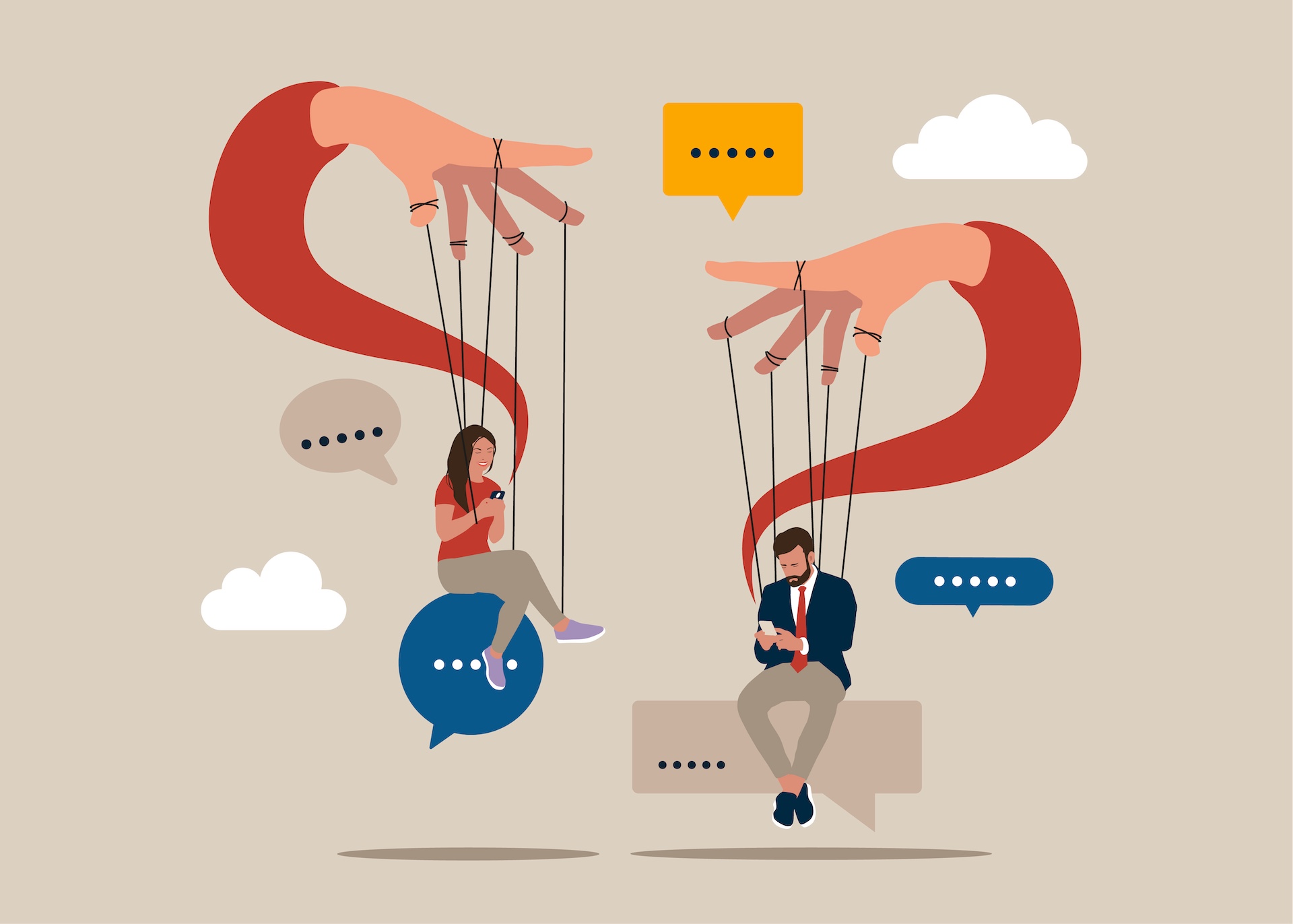
As Dr. El-Kour puts it, “Algorithms are like your invisible nutritionist — except instead of helping you find balance, they often feed you digital junk food.” Just as unhealthy habits can affect your body, digital habits can impact your emotions and attention. You can learn more about these patterns in How to Become Influential — starting with yourself.
How Algorithms Shape What You Feel
Picture this: it’s late, you’re tired, and you pick up your phone for a little distraction. Suddenly, you’re scrolling food delivery apps, being shown exactly what you’re craving. Netflix cues up the next episode. TikTok feeds you clips that match your mood.
None of this is random. Behind the scenes, algorithms are learning when you’re most vulnerable, what keeps you engaged, and how to keep you coming back. They study your pauses, clicks, and engagement patterns to predict what will hold your attention next. Research from Cinelli et al. (2021) shows how this process narrows our worldview and reinforces existing beliefs — a phenomenon known as the echo chamber effect.
Over time, that reinforcement starts to feel like free choice. That’s the sneaky side of invisible influence.
Emotional Manipulation and Echo Chambers
One of the most surprising parts of our conversation was how digital systems don’t just reflect our emotions — they amplify them. Algorithms thrive on engagement. That means outrage, comparison, and anxiety are rewarded because they keep us scrolling.
This emotional manipulation creates echo chambers that reinforce negativity and polarization. For emotionally sensitive people, or those managing anxiety or body image issues, these loops can become harmful. They distort perception, trigger reactivity, and make it harder to stay balanced. Learn more about how emotional manipulation works in Manipulation in Relationships and Media.
Dr. El-Kour calls this affective alignment — when a system mirrors your emotions to keep you hooked. The more reactive you are, the more profitable you become.
[ad_2]
Source link
